Question
- Junior Cert Geography (Common) Edco Sample A Q10
- Back to the question >
Answer
(a)
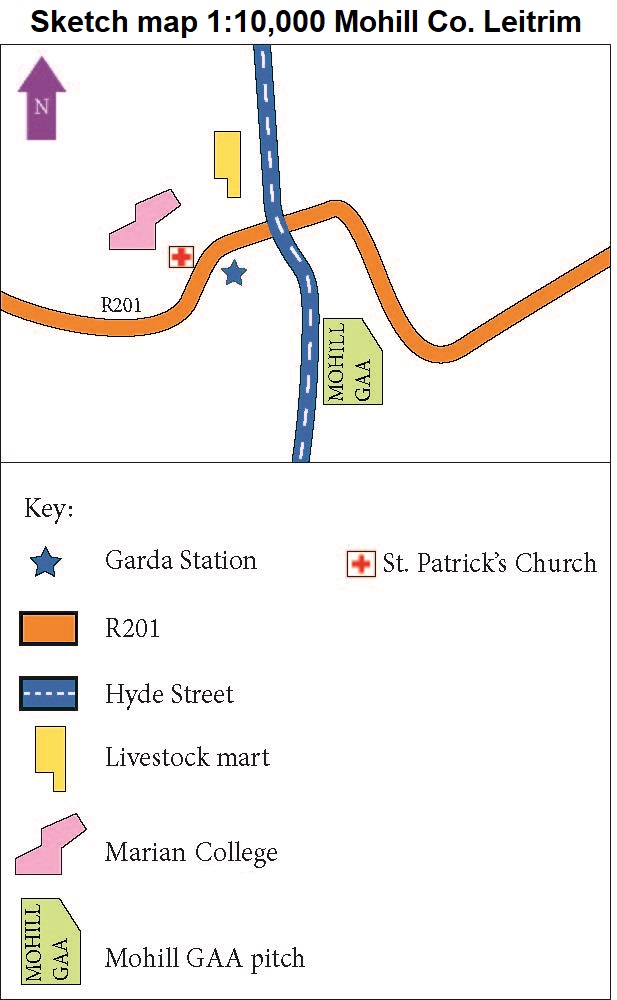
(b) 370 metres
(c)
(i) Decrease of 76
(ii) Internal migration: Leitrim to Dublin
In 1926 there were 55,907 people living in Leitrim. The county has suffered brain drain (loss of young, educated people who are of the economic active age group) and population decline ever since. Marriage rates are below the national average, not helped by the reality of emigration, e.g., to London or to New York. Rural-to-urban migration is the main reason for population decline as people are pulled to Dublin by prospects of higher-paying jobs and more social opportunities. Dublin has more jobs available, better services, e.g., educational (UCD, TCD, DCU), and better public transport (DART, LUAS, Dublin Bus). Peripheral counties like Leitrim have declining populations as people of child-bearing age are moving to the Greater Dublin Area.
(d)
(i) An apartment complex
(ii) The family, who were from Pakistan, said ‘It’s quiet here, there is a lot less traffic. It’s perfect.’ They may have come from a busy city in Pakistan with lots of traffic and may have been surprised by the peacefulness of Ballinamore, a small town in Co. Leitrim.
(iii) Service 1: GAA Club (recreational use) shown in the south of the aerial photograph and at B2/C2 of the map. Asylum seekers could learn to play our national games, e.g., hurling and Gaelic football, which would help them both to integrate into the local community of Mohill, Co. Leitrim and to keep fit and active.
Service 2: HSE Community Hospital Services in B1 of map and centre of photograph could meet asylum seekers’ medical needs, e.g., check-ups.
Service 3: Educational services, e.g., Marian College and St Joseph’s National School in B2, Hunt National School in B1 and Mohill Vocational School in C2 of map and south of photograph. Asylum seekers’ children could go to school in Mohill and avail of training and upskilling at the vocational school.
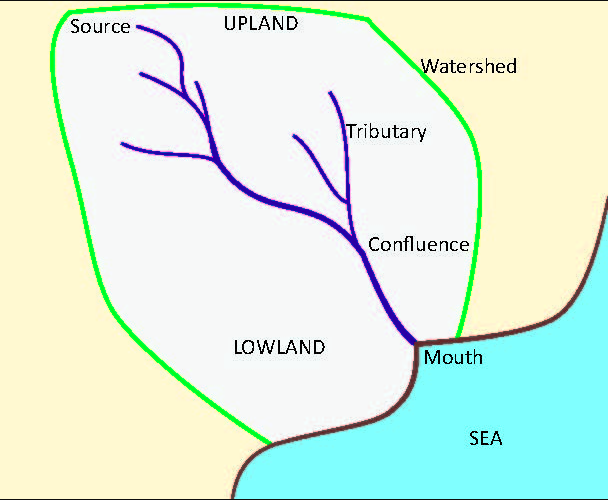
(e) River drainage basin: